
Food Logistics
Freshness Requires Precision
What matters is not just transportation, but a system that reliably manages sensitive flows of goods and executes them smoothly from an operational standpoint.
Requirements for Modern Food Logistics
Food logistics places high demands on planning, management, and execution. When perishable goods, tight delivery windows, and recurring deliveries all come into play, standard logistics are not enough.
What matters most are processes that function consistently in everyday life and reliably ensure care.
Perishable goods leave little room for error
Those who handle food have little room for error. Delays and disruptions in the process have a direct impact on quality, availability, and downstream operations.
Delivery windows must be met reliably
Whether it’s a warehouse, a transshipment point, or store delivery: Food logistics must run on time. Especially when operating at a fast pace, reliable processes are the foundation for a stable supply.
Temperature control is part of the service
In many industries, temperature-controlled logistics is an integral part of the process. When it comes to maintaining cold chains, success depends not only on the vehicle but also on the seamless coordination of all processes.
High frequency increases the pressure of day-to-day operations
Recurring routes, multiple deliveries per day, and little room for error make food logistics an operational discipline that must be carefully planned and reliably executed.
What is food logistics?
Food logistics encompasses the planning, management, and execution of logistics processes for food products. This includes transportation, transshipment, distribution, and—depending on the product—compliance with specific requirements regarding temperature, timing, and handling.
Food Logistics
More Than Just Transportation from A to B
Different requirements depending on the product
Different products, different requirements
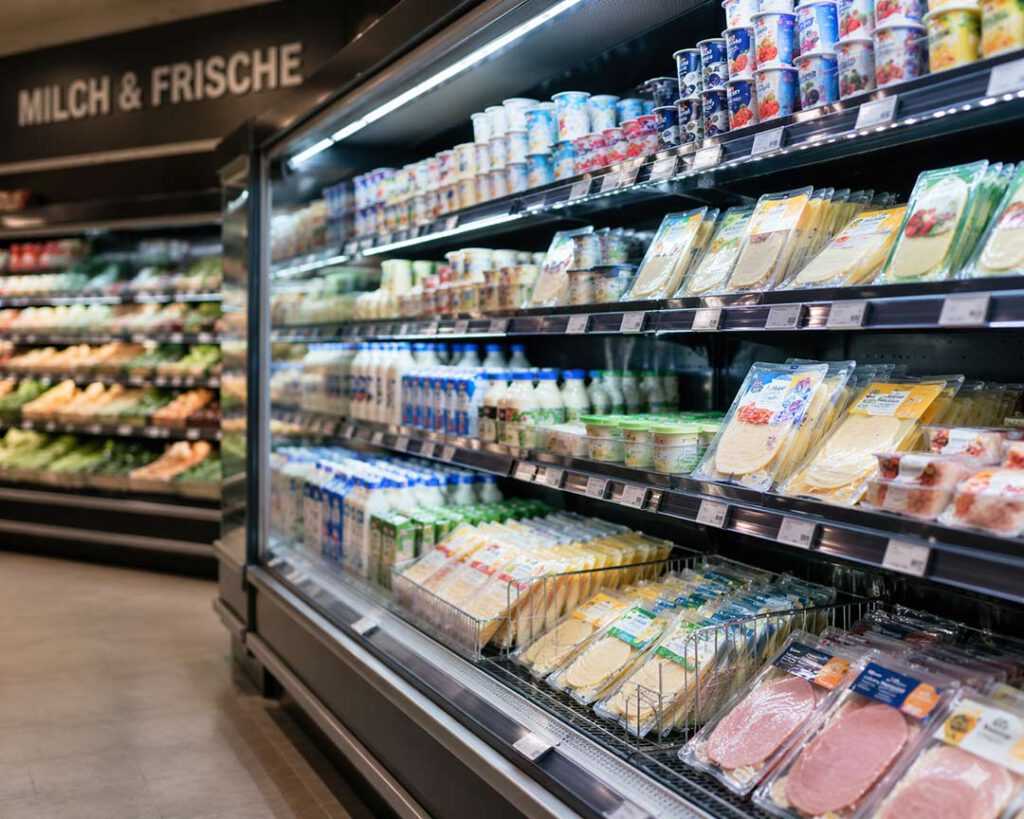
Special Requirements in Food Logistics
The demands placed on modern food logistics go far beyond traditional transportation. What matters most are robust processes that ensure quality and make reliable day-to-day supply possible.
Temperature-Controlled Logistics
When food products must be transported under specific conditions, temperature-controlled logistics is a key component of the service. Maintaining the cold chain must be reliably integrated into the process.
Hygiene and Clean Processes
When handling food, processes must be clearly organized and reliably implemented. Errors at this stage can quickly affect quality and safety.
Schedulable Routes and Handoffs
Recurring deliveries, fixed time slots, and coordinated hand-offs must operate reliably. The higher the frequency, the more important it is to have robust processes.
Flexibility & Real-World Conditions
In day-to-day operations in particular, food logistics requires solutions that function smoothly even under time pressure, with high throughput, and in dynamic processes.
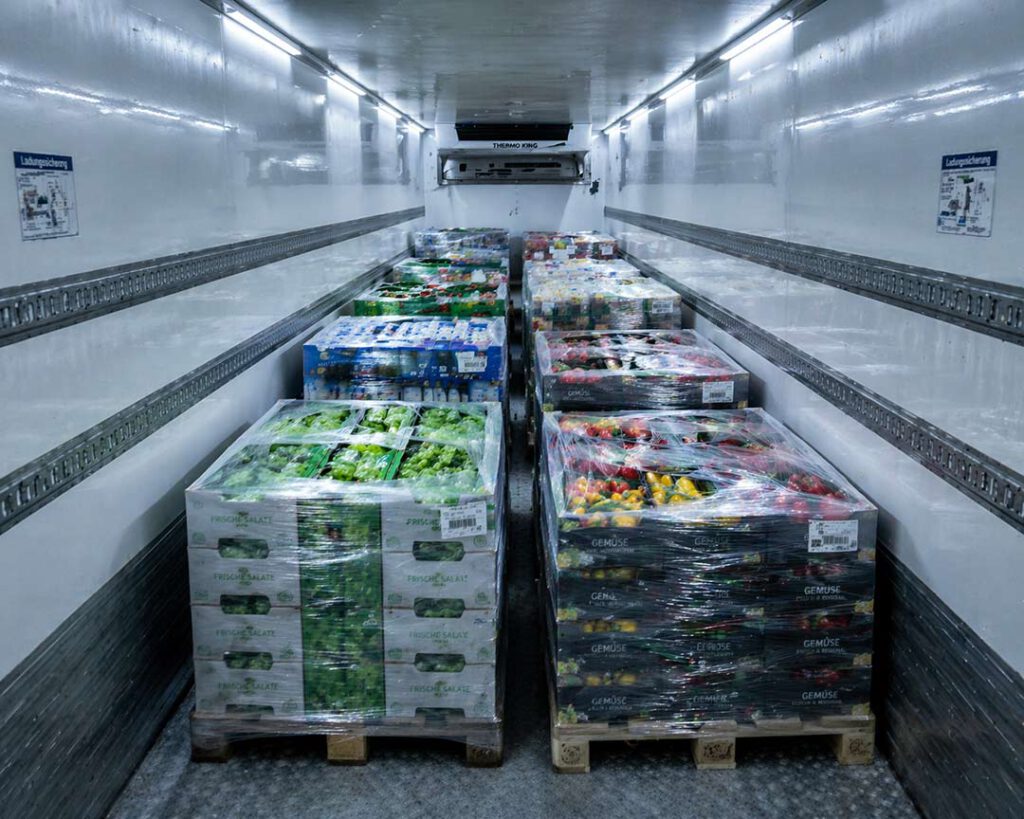
Food Shipping Company with Reliable Operations
As a food logistics provider, what matters isn’t what’s theoretically possible, but what works smoothly in everyday operations. That’s exactly what our services are geared toward: clear processes, reliable management, and execution that supports daily supply.
Food Transportation and Distribution
We organize food shipments with a focus on delivery windows, scheduling, and feasibility in day-to-day operations. The goal is to ensure a supply chain that runs according to plan and remains operationally stable.
Temperature-Controlled Transportation
Wherever sensitive goods require specific conditions, temperature-controlled logistics must be securely integrated into the process—not as an add-on, but as an integral part of the service.
Recurring Supply Processes
Regular delivery cycles, coordinated deliveries, and reliable routes are a central component of modern food logistics. This is precisely where it becomes clear whether processes are truly effective.
Action, Not Just Empty Promises
In food logistics, quality isn’t demonstrated through statements, but through processes that work day in and day out.
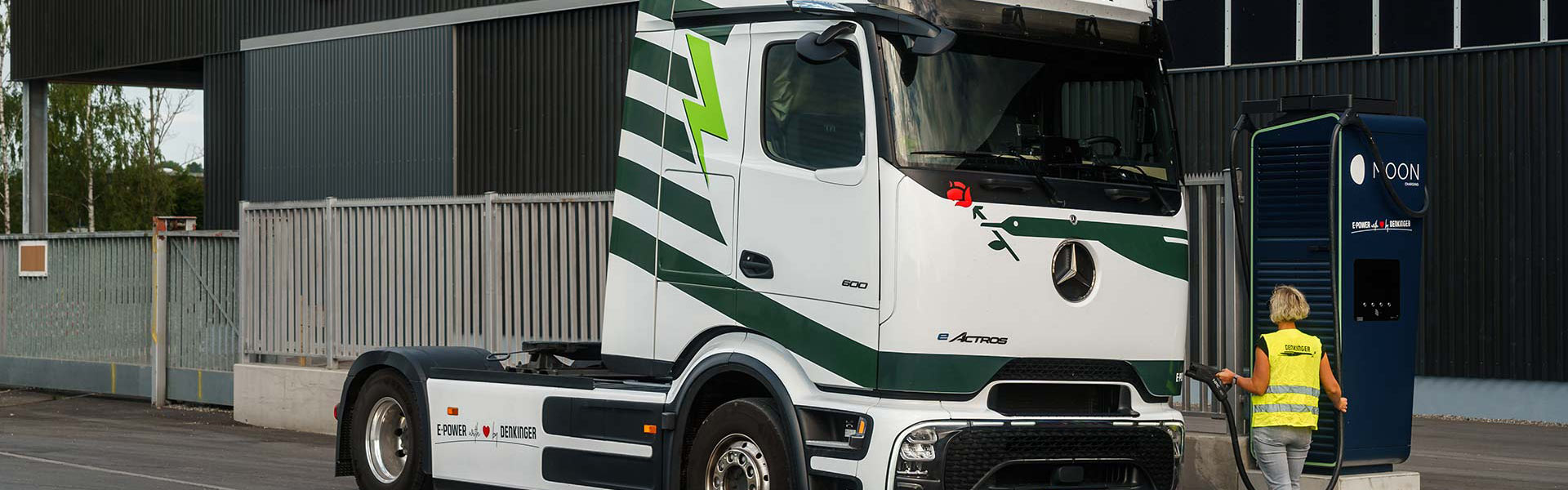
Reliable supply—especially with electric trucks.
We integrate transportation, charging infrastructure, and energy management to ensure that daily deliveries to stores run smoothly.